
- All
- Product Name
- Product Keyword
- Product Model
- Product Summary
- Product Description
- Multi Field Search
Views: 0 Author: Site Editor Publish Time: 2026-08-05 Origin: Site


Procuring respiratory protection forces organizations and individuals to make critical choices. We must balance strict infection control, budget efficiency, and environmental sustainability. Generic product claims often obscure the actual performance of different face coverings. Decision-makers need to evaluate real filtration efficacy, basic operational costs, and strict regulatory compliance. Relying purely on marketing jargon leads to poor safety protocols and wasted budgets. Leaders face immense pressure to keep their workforce safe daily. At the same time, facility supply chain costs fluctuate unpredictably. Navigating these conflicting priorities requires solid, objective data. You cannot afford to guess when choosing essential respiratory gear. This guide provides a transparent, evidence-based framework to clear up the confusion. We break down the complex variables into clear, actionable insights. You will learn how to assess performance metrics and daily operational expenses. We will help you determine whether single-use or reusable formats suit your specific environment. Understanding these distinct differences empowers your future purchasing decisions.
A certified disposable medical mask guarantees baseline filtration (e.g., ASTM standards) without relying on user maintenance protocols.
Reusable masks offer significant long-term ROI and lower ecological waste, provided that users strictly adhere to washing and filter-replacement schedules.
True cost comparisons must factor in Total Cost of Ownership (TCO), including the secondary costs of disposable supply chain management versus reusable maintenance.
High-risk clinical or industrial environments almost universally require disposable or specialized half-face respirators due to stringent regulatory compliance.
To make an informed choice, you must understand foundational regulatory standards. Agencies like the FDA and CE establish strict testing protocols globally. ASTM Level 1 to 3 classifications define true clinical-grade protection levels. These standards measure bacterial filtration efficiency, fluid resistance, and overall breathability. A generic cloth covering cannot meet these rigid testing parameters. Manufacturers design specific layers to pass these rigorous safety evaluations.
Every standard disposable Medical Mask relies on a highly engineered three-layer structure. Manufacturers use a spunbond, melt-blown, and spunbond (SMS) polypropylene architecture. The outer spunbond layer effectively repels incoming moisture and liquid droplets. The middle melt-blown layer acts as a highly active static filter. It traps microscopic pathogens before they reach your respiratory tract. The inner spunbond layer absorbs moisture away from your skin.
Washable options feature a vastly different structural baseline across the market. Manufacturers often use tightly woven fabrics or multi-layer cotton blends. Hybrid models pair a washable outer shell alongside replaceable PM2.5 inserts. Some premium hybrid versions even utilize N95-grade filter media inside. You must remember one crucial point regarding these washable fabric alternatives. The term "reusable" does not inherently mean "clinical grade." A durable product only achieves clinical status after passing strict certification testing.
Melt-blown filters provide extremely reliable, out-of-the-box efficacy for users. Employees receive guaranteed filtration performance upon opening a fresh, sterile pack. Polypropylene fibers maintain a strong electrostatic charge during the manufacturing process. This specific charge captures airborne particles efficiently during a standard shift. Moisture from exhaled breath eventually neutralizes this charge over several hours. This natural degradation is exactly why clinical protocols mandate frequent replacements.
Washable fabrics experience significant performance drop-offs over extended time periods. Repeated laundering negatively impacts the microscopic fabric weave tension. Hot water and aggressive detergents break down cotton and synthetic micro-fibers. This physical degradation directly reduces the overall particulate filtration capability. What starts as a tight weave slowly becomes a porous mesh. Users often fail to notice this invisible drop in safety.
Hybrid models attempt to solve this persistent material durability problem effectively. They combine a sturdy reusable shell alongside standard disposable filter inserts. This approach maintains the structural integrity of the outer aesthetic layer. Users rely entirely on the fresh insert for consistent pathogen filtration. However, the outer shell must still form a tight facial seal.
Procurement teams must analyze specific budget forecasting models to compare options. Calculate the per-unit burn rate of a single-use supply inventory. Multiply daily usage rates across a typical six-to-twelve-month operational timeline. This exercise reveals the continuous financial drain of single-use safety items. Facility managers must also account for secondary supply chain management costs. Freight, storage space, and frequent reordering add hidden financial burdens.
Durable products require a completely different financial calculation approach entirely. You must assess the higher upfront acquisition cost first. Then, you must add the ongoing expense of buying replacement filters. Finally, calculate routine laundering, sanitization, and administrative tracking expenses. These secondary costs add up quickly for large enterprise organizations.
Organizations often discover distinct break-even points during this financial analysis. High-volume procurement of single-use items benefits massively from bulk pricing discounts. This scale makes them incredibly cheap on a per-unit basis. However, individual daily use often makes durable, washable options financially favorable. Extended lifespans eventually offset the higher initial purchase price over time.
Healthcare settings and industrial environments demand strict adherence to safety compliance. OSHA inspectors and healthcare auditors heavily prefer single-use items for good reasons. These products offer verifiable, consistent performance across massive, diverse workforces. Safety officers can easily visually confirm proper usage and timely replacement. Factory-sealed boxes provide undeniable proof of standardized safety measures.
Relying on washable alternatives introduces severe liability considerations for facility managers. Organizations risk massive user error regarding personal daily hygiene routines. Employees might neglect proper washing protocols after a long shift. They might also forget to replace internal filters on schedule. This widespread non-compliance creates serious health risks for the entire facility. Tracking individual hygiene habits becomes an impossible administrative nightmare.
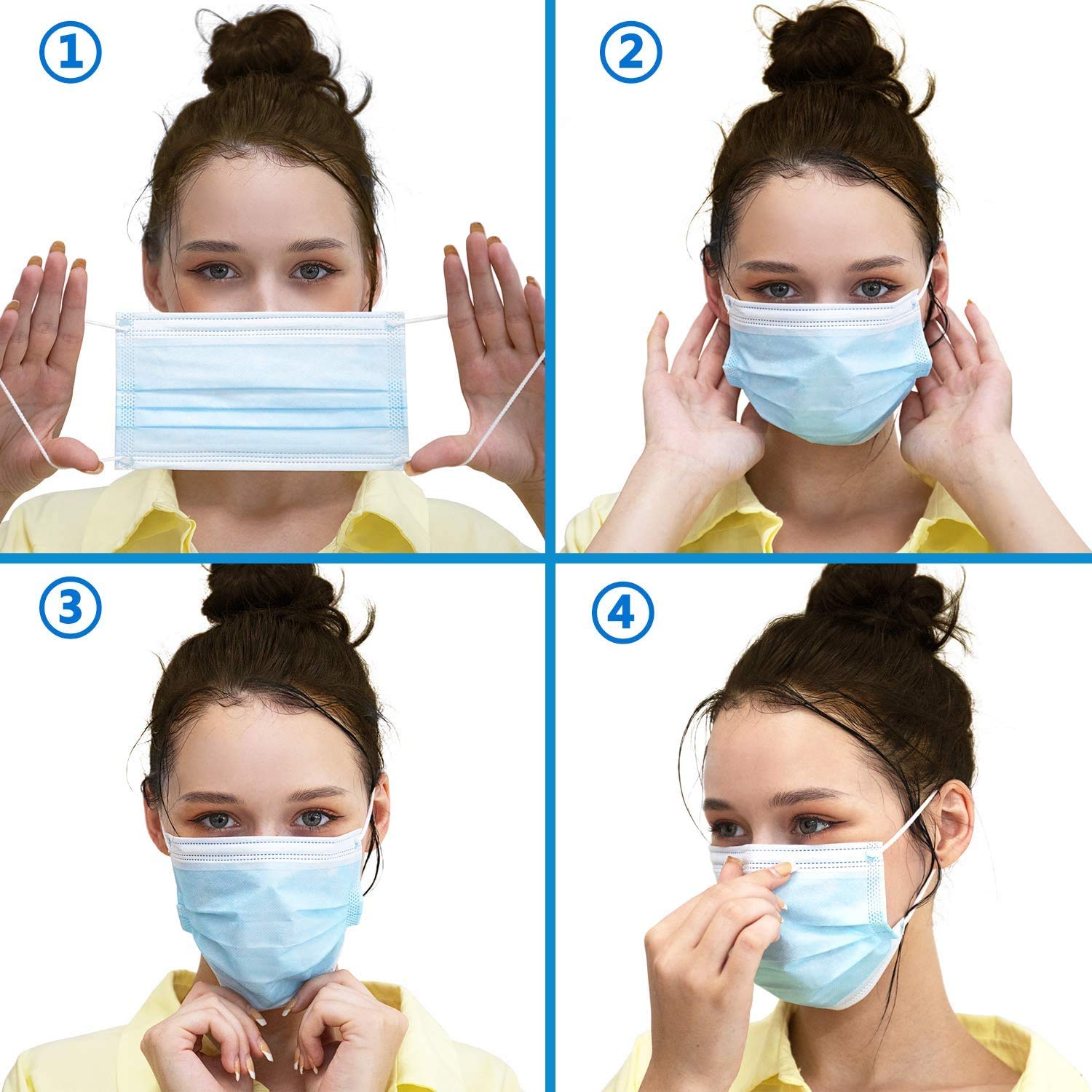
Decision-makers must look beyond the visible waste of single-use plastics. Life Cycle Assessment (LCA) provides a much deeper ecological reality check. We must carefully evaluate the total environmental impact of both options. This includes raw material extraction, manufacturing energy, transportation, and final disposal. Surface-level assumptions about sustainability often lead to misguided procurement choices.
Single-use options present a rapidly compounding environmental cost globally. Polypropylene materials accumulate heavily in municipal landfills and fragile oceans. These dense plastics take centuries to degrade entirely in natural environments. Even incineration processes release unwanted carbon emissions into the atmosphere. The sheer volume of daily global disposal creates an undeniable ecological burden.
However, washable alternatives carry hidden carbon and water footprints too. Manufacturing heavy woven fabrics demands massive energy and water inputs. Shipping durable goods increases transportation emissions due to heavier cargo weights. Users also generate daily carbon output through continuous hot-water washing cycles. Machine drying these durable fabrics consumes even more household electricity.
You must apply a clear decision lens regarding sustainability metrics. Identify the exact usage threshold for your specific organization. A durable option only becomes environmentally friendly after extensive repeated use. Short-term usage of a washable product often creates a larger carbon footprint. It requires dozens of wears to offset its intensive manufacturing phase.
Evaluation Factor | Single-Use Options | Washable Alternatives |
|---|---|---|
Manufacturing Energy | Low per unit, highly efficient | High per unit, intensive process |
Daily Water Usage | Zero impact during use | High impact (continuous washing) |
End-of-Life Disposal | High landfill accumulation | Low landfill volume over time |
Carbon Break-Even | Immediate baseline footprint | Requires 30+ uses to offset |
We must assess the behavioral economics of user adoption carefully. Hygiene compliance ultimately depends heavily on user convenience and operational friction. People naturally gravitate toward the path of least resistance daily. If a safety protocol feels cumbersome, employees will inevitably cut corners. Facility leaders must design workflows prioritizing both safety and extreme simplicity.
Durable options introduce significant operational friction into daily staff routines. Users must track strict filter replacement schedules to maintain adequate safety. Facilities struggle to enforce proper sanitization protocols across diverse teams. Managing cross-contamination risks during locker storage presents another major operational challenge. Moisture trapped in stored fabrics breeds bacteria rapidly between work shifts.
Single-use products eliminate this behavioral friction almost entirely for users. They provide simplified stocking procedures for busy facility supply managers. Every single user receives guaranteed sterility precisely at the point of use. Frictionless disposal protocols ensure contaminated materials leave the controlled environment safely. Issuing a standard Medical Mask streamlines compliance tracking for safety officers. You can visually verify compliance from across a crowded room instantly.
Ergonomic comfort plays a massive role over an eight-hour shift. Both product categories present unique breathability and skin irritation challenges. Single-use synthetics can trap body heat and moisture against the face. Washable cotton options feel softer but often become heavy from condensation. Poorly fitted ear loops cause severe physical fatigue behind the ears. Users constantly adjust uncomfortable gear, which increases face-touching contamination risks.
Certain strict environments leave absolutely no room for protocol error. You should mandate single-use options under the following specific conditions:
Clinical Settings: Hospitals and surgical environments require uncompromising infection control.
High-Risk Zones: Industrial areas demanding verifiable, consistent filtration metrics continuously.
Transient Populations: Visitors or temporary staff need immediate, sterile safety solutions.
Customer-Facing Roles: Environments where personal hygiene compliance cannot be monitored effectively.
Emergency Outbreaks: Rapid deployment scenarios requiring instant, mass-scale workforce protection.
In these critical scenarios, peace of mind outweighs minor cost differences. Verifiable sterility remains the absolute highest priority for organizational leadership.
Durable options excel brilliantly in lower-risk, highly controlled work environments. Consider adopting them if your situation matches the following criteria:
Low-to-medium risk administrative office environments and private cubicles.
Standard daily commutes or general public indoor navigation routines.
Organizations actively driving aggressive ESG (Environmental, Social, and Governance) targets.
Settings willing to invest heavily in premium hybrid filter-based systems.
Industrial sites already utilizing specialized heavy-duty half-face respirator programs.
You can confidently adopt a washable Medical Mask alternative if compliance tracking is robust. Just ensure your team understands the strict maintenance protocols required.
Choosing between a single-use and a durable face covering requires careful analysis. The decision hinges entirely on balancing guaranteed protection against long-term sustainability goals. Single-use items provide undeniable, out-of-the-box efficacy and simplified compliance tracking. Durable alternatives offer excellent ecological benefits if users maintain them flawlessly. Hybrid models successfully bridge this gap but demand strict maintenance discipline.
Your next step involves auditing your specific facility risk profile. Review your available procurement budget and evaluate your workforce compliance capabilities. Conduct a small pilot program to test both options across different departments. Gather honest employee feedback regarding ergonomic comfort and daily breathability. Finally, execute your bulk procurement strategy based on real facility data.
A: Yes. Repeated washing breaks down the micro-fibers inside the fabric. Hot water and detergents loosen the weave tension over time. This structural degradation directly lowers the overall filtration efficiency. Users must replace washable options regularly to maintain adequate safety levels.
A: No. Standard single-use options rely on an electrostatic charge for filtration. Liquid sanitizers, alcohol sprays, and water instantly destroy this crucial charge. Reusing these products severely compromises your respiratory safety and violates clinical protocols.
A: You should replace the filter insert after eight to twelve hours of active use. High-humidity environments or heavy physical exertion may require even more frequent changes. Never wash the disposable filter insert itself under any circumstances.
A: Yes, but they are rare. Some specialized elastomeric half-mask respirators meet strict clinical standards. However, typical consumer cloth options rarely pass rigorous ASTM or FDA surgical testing requirements without certified inserts.
A: A durable option usually wins over a full year of daily use. However, the user must wear it dozens of times to offset its high manufacturing footprint. Washing it in cold water and air-drying further reduces its environmental impact.
