
- All
- Product Name
- Product Keyword
- Product Model
- Product Summary
- Product Description
- Multi Field Search
Views: 1 Author: Site Editor Publish Time: 2026-07-29 Origin: Site


Sourcing personal protective equipment for healthcare facilities goes beyond fulfilling basic inventory. It serves as a critical compliance and infection-control mandate. Facility leaders carry the heavy responsibility of protecting both staff and vulnerable patients daily.
Buyers face a saturated market filled with misleading terminology and varying regulatory standards. You must navigate complex FDA guidelines, NIOSH approvals, and the constant risk of counterfeit products. One wrong procurement decision can lead to severe safety breaches. Administrators cannot afford to guess when staff health remains on the line.
This guide provides a clinical and operational framework for evaluating face protection. We will help you match ASTM barrier levels to specific healthcare roles accurately. You will also learn how to vet suppliers effectively. Our actionable insights streamline your purchasing process, ensure facility-wide safety, and guarantee strict regulatory compliance.
Not all face coverings qualify as medical masks; clinical-grade options must meet strict FDA and ASTM international standards for fluid resistance and filtration.
Selecting the right medical mask requires a task-based approach, mapping ASTM Levels (1, 2, or 3) to the anticipated risk of fluid exposure in specific clinical roles.
Surgical masks protect against droplets and splashes, while NIOSH-approved N95 respirators are mandatory for aerosol-generating procedures.
Secure procurement requires verifying 510(k) clearances and implementing strict counterfeit-detection protocols before bulk purchasing.
Procurement teams face a major business problem today. They must differentiate between consumer-grade face coverings and legally compliant medical PPE. This vital distinction prevents severe regulatory penalties. It also minimizes staff exposure to dangerous pathogens. Consumer options flood the open market. They often look identical to clinical products. However, looks deceive buyers easily. Hospitals cannot rely on basic cloth fabrics. They cannot trust untested synthetic barriers. Doing so invites catastrophic safety failures. We must treat every generic face covering as suspect. You must demand proof before completing any transaction.
The FDA regulates these items strictly. They classify surgical and medical masks as Class II medical devices. The agency evaluates these products for absolute safety. They also measure clinical effectiveness thoroughly. Manufacturers must submit a detailed 510(k) Premarket Notification. This legal document proves the item performs exactly as claimed. It guarantees the product withstands clinical stress during prolonged shifts.
Let us briefly contrast medical and non-medical options. Consumer products lack standardized testing protocols completely. No agency measures their fluid resistance. No laboratory verifies their bacterial filtration efficiency. Clinical environments demand rigorous performance metrics. These metrics are legally mandated for excellent reasons. You cannot protect a surgical team using unverified materials. A single fluid breach can transmit dangerous bloodborne pathogens.
A viable shortlisting process begins simply. You must filter out unqualified items immediately. Discard any product lacking documented regulatory clearance. Do not entertain aggressive marketing claims. Ignore sellers unable to provide official FDA documentation. This strict filtering criteria saves your team time. It guarantees baseline safety for your entire facility. Choosing a legitimate Medical Mask remains non-negotiable for hospital administrators.
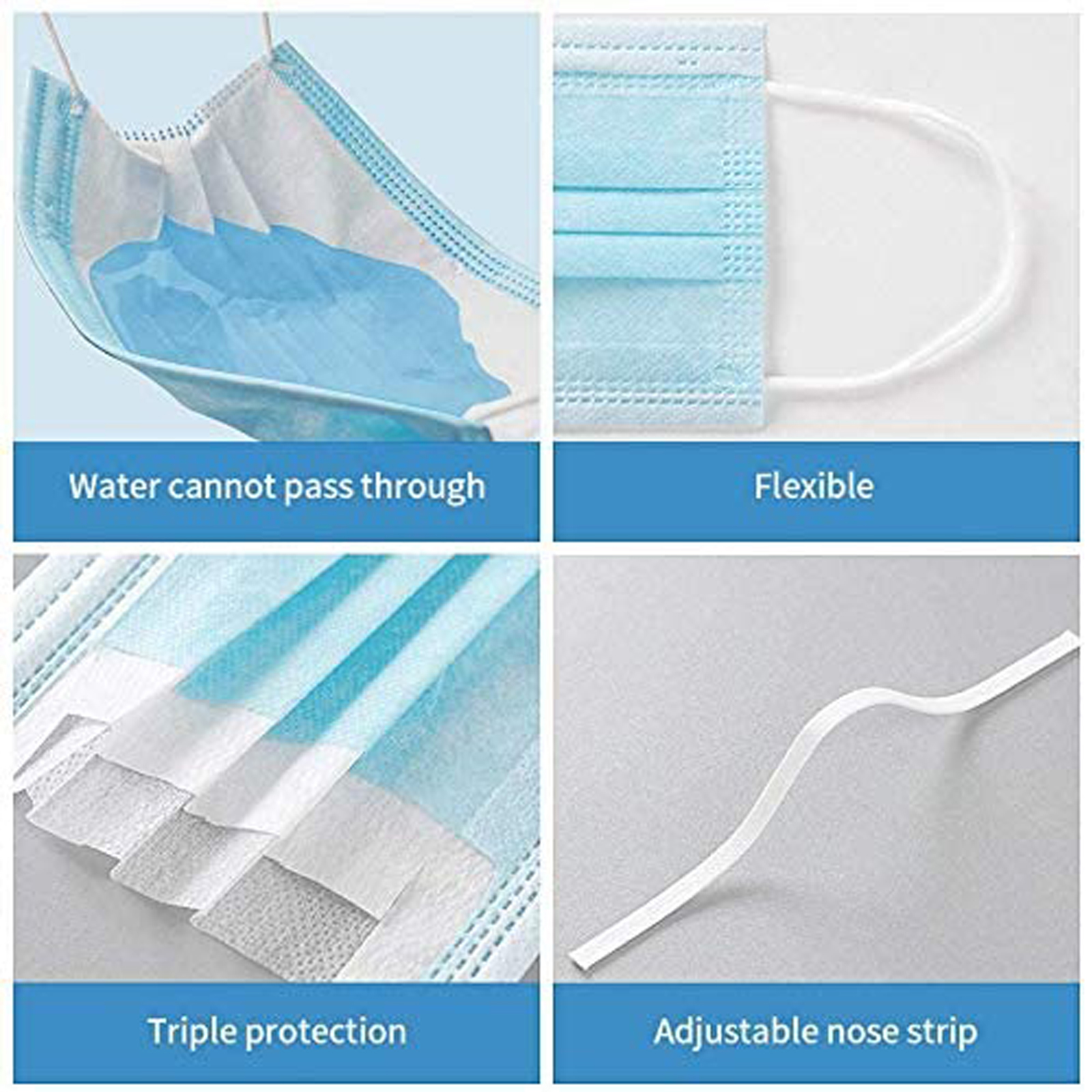
ASTM F2100 standards establish five critical performance metrics. Buyers must evaluate these dimensions carefully. Every technical feature translates directly into a clinical outcome. We will break down these five mandatory requirements.
First, Bacterial Filtration Efficiency measures filtered bacteria. We call this BFE. The target ranges from ≥95% to ≥98%. High BFE stops dangerous microbes from reaching the wearer.
Second, Particulate Filtration Efficiency tracks sub-micron filtration. We call this PFE. It ensures microscopic hazards stay out of the respiratory tract.
Third, Fluid Resistance measures synthetic blood penetration. Testers blast liquid at the fabric. They measure resistance in mmHg. This metric dictates protection during active bleeding scenarios.
Fourth, Breathability calculates the pressure drop across the fabric. The industry calls this Delta P. High Delta P means harder breathing. Lower values indicate better airflow. This metric directly impacts staff comfort. It also drives long-term wearing compliance.
Finally, Flame Spread demands a Class 1 safety rating. Clinical environments contain oxygen lines and surgical lasers. We must prevent accidental fabric ignition to protect staff.
We categorize solutions into three distinct barriers based on these specific metrics.
ASTM Level 1 offers a low fluid barrier. It provides adequate general protection. It is ideal for standard patient triage. You can assign it to patient visitors. It suits low-fluid-risk general care areas perfectly.
ASTM Level 2 provides a moderate fluid barrier. It handles unpredictable environments well. It suits emergency departments and phlebotomy labs. Use it for tasks involving probable minor fluid exposure.
ASTM Level 3 guarantees a high fluid barrier. It represents the maximum standard protection. It is mandatory for operating rooms. Trauma centers require it constantly. You must use it for procedures risking heavy fluid splashing.
ASTM Level | Fluid Resistance (mmHg) | BFE / PFE | Primary Clinical Use Case |
|---|---|---|---|
Level 1 | 80 | ≥ 95% | Standard triage, visitors, low-risk wards |
Level 2 | 120 | ≥ 98% | Emergency departments, phlebotomy, moderate risk |
Level 3 | 160 | ≥ 98% | Operating rooms, trauma centers, heavy splashing |
An ASTM Level 3 mask offers maximum fluid resistance. However, it does not provide adequate respiratory protection against airborne pathogens. We must frame this choice clearly. You must separate fluid protection from airborne protection mentally to ensure staff safety.
Evaluate the structural mechanics carefully. Surgical masks feature a loose-fitting design intentionally. They primarily protect the patient. They keep the sterile environment safe from the wearer's biological emissions. Air easily escapes out the sides during exhalation. Conversely, a respirator features a tight-fitting seal. It grips the face tightly. All inhaled air passes through the electrostatic filter medium. This mechanism protects the wearer directly from external threats.
Feature | Surgical Design | N95 Respirator |
|---|---|---|
Fit Profile | Loose-fitting, allows edge leakage | Tight-fitting, forms a complete facial seal |
Primary Beneficiary | Protects the patient/environment | Protects the wearer |
Filtration Target | Large droplets and fluid splashes | Aerosols and sub-micron particulates |
Testing Mandate | FDA 510(k) cleared | NIOSH approved & OSHA fit-tested |
Facilities must define strict aerosol versus droplet protocols. Know exactly when to escalate from standard PPE to an N95 respirator. Standard droplet precautions only require normal face coverage. However, aerosol-generating procedures require absolute respiratory isolation. Intubation, open suctioning, and bronchoscopy fall into this category. Specific infectious disease protocols also demand mandatory N95 usage.
Choosing respirators introduces massive implementation realities. You cannot simply hand them out to staff. OSHA mandates annual fit-testing programs for all users. Hospitals must also conduct ongoing medical clearance evaluations. Staff members must prove they can breathe safely while wearing one. This administrative burden ensures the equipment actually works. Avoid over-prescribing respirators simply out of fear. Use standard Protective Products when appropriate to save respiratory inventory for true emergencies.
Proper allocation requires auditing your specific departmental needs. Scalability depends entirely on smart distribution. You must prevent dangerous under-protection. Under-protection directly increases the risk of hospital-acquired infections. You must also prevent expensive over-protection. Giving surgical gear to receptionists wastes high-tier resources rapidly. A targeted rollout strategy solves both problems efficiently.
Map your scenarios accurately to build an efficient safety matrix. We recommend the following distribution model:
Administrative and Front Desk: Assign Level 1 options. These staff members face minimal physical contact. They encounter almost zero fluid risks during shifts.
General Wards and Routine Nursing: Deploy Level 1 or Level 2 gear. Nurses handle routine care daily. These interactions usually require only standard droplet precautions.
Surgical Teams and Dental Professionals: Mandate Level 3 surgical barriers. These clinical roles face guaranteed exposure. They handle high-velocity fluids and unpredictable biological sprays.
Infectious Disease and ICU Units: Require N95 Respirators strictly. Airborne pathogens demand complete inhalation protection. Do not compromise on intensive care safety protocols.
Supply chain disruptions happen frequently worldwide. Facilities need a strong conservation strategy. Align your operational protocols with current CDC guidelines. Implement standard operating procedures for emergency inventory management. Extended use policies can stretch supplies during acute shortages. However, you must execute these strategies carefully. Never compromise basic staff safety to save money. Educate your teams on safe donning and doffing techniques. Good handling habits maximize product lifespan naturally. Always verify your current inventory data before initiating crisis protocols.
PPE procurement carries significant implementation risks today. The primary threats include counterfeit products. Expired materials also flood secondary markets. Non-compliant manufacturing remains a massive hidden danger. A single bad batch can jeopardize an entire hospital wing. You must navigate these risks systematically.
You need an evidence-oriented vetting process. Always cross-reference a supplier’s bold claims. Use the FDA’s 510(k) Premarket Notification database actively. Check the NIOSH Certified Equipment List for all respirators. If a product does not appear on these registries, reject it immediately. Do not accept printed certificates at face value.
Demand complete transparency regarding manufacturing origins. Ask for detailed lot testing data. Require independent third-party lab results. Legitimate suppliers provide these documents willingly. Fraudulent vendors usually offer complex excuses.
Take the following next-step actions before signing any bulk contract:
Audit current inventory against your defined clinical risk tiers.
Request physical samples from shortlisted vendors to test breathability (Delta P) and earloop durability.
Initiate a pilot rollout with a specific clinical team to evaluate staff comfort and compliance before finalizing bulk contracts.
Testing samples physically reveals hidden manufacturing defects. Earloop snapping remains a very common complaint. Assess the nose wire flexibility yourself. Staff will not wear uncomfortable gear correctly. Ensure you procure reliable Protective Products to maintain high facility compliance rates.
Selecting the correct medical gear requires a calculated balance. You must weigh regulatory compliance, clinical risk assessment, and supply chain reliability equally. Administrators must prioritize verifiable safety metrics. Ignore pure aesthetic features or generic marketing claims entirely when protecting lives.
Moving away from price-only purchasing transforms hospital safety immediately. Adopting a strict, task-based ASTM evaluation framework optimizes your spending. This strategic approach strictly safeguards both patient and provider health long-term.
Review your current facility protocols today. Consult your infection preventionist to identify any lingering protection gaps. Map your departmental needs accurately. Finally, contact a vetted supplier to request a compliance-focused product sample.
A: A surgical mask specifically features ties or defined fluid-resistance profiles designed for sterile environments like operating rooms. While people use the terms interchangeably, standard medical options generally use earloops and serve basic clinical needs. Always rely on specific ASTM barrier levels rather than naming conventions to determine true protective capabilities.
A: Healthcare workers usually wear a single unit for an entire shift under standard conditions. However, you must discard it immediately if it becomes wet, visibly soiled, or hard to breathe through. Never attempt to wash or disinfect single-use disposable PPE, as moisture destroys the electrostatic filtration layers completely.
A: Yes, typically. Higher filtration and fluid resistance require denser material layers. This increases the pressure drop across the fabric, known as Delta P. A higher Delta P means increased breathing resistance. Procurement teams must gather staff feedback during pilot testing to balance necessary fluid protection with daily wearing comfort.
A: Spotting counterfeits requires attention to detail. Look for missing NIOSH markings on supposed N95s. Check for misspelled labels or packaging errors. Demand FDA clearance documentation; fraudulent sellers rarely possess valid 510(k) paperwork. Finally, treat pricing falling suspiciously below the normal market baseline as an immediate red flag.
