
- All
- Product Name
- Product Keyword
- Product Model
- Product Summary
- Product Description
- Multi Field Search
Views: 0 Author: Site Editor Publish Time: 2026-07-15 Origin: Site


Selecting the wrong face protection exposes your workforce to serious health risks. It also leaves your organization vulnerable to costly compliance liabilities. You cannot afford to guess when workplace safety is on the line. Not all masks provide the same level of safety. Differences in filtration media, fluid resistance, and fit dictate their proper use cases. You must match the equipment to the specific hazard. We designed this article to provide an evidence-based framework for making this decision. We will help you evaluate, shortlist, and source the correct Protective Mask for your team. You will learn how to align your choices with environmental hazards and strict regulatory standards. We will also explore the practical realities of workforce adoption and comfort.
Hazard alignment is step one: Differentiate between airborne particulates, chemical vapors, and fluid hazards before evaluating mask specifications.
Standards dictate capabilities: Rely on verifiable certifications (NIOSH N95, ASTM Levels 1-3) rather than marketing claims when evaluating a protective mask.
Fit determines function: Even the highest-rated respirator fails without proper fit testing and adherence to occupational safety protocols.
Adoption relies on comfort: Balancing rigorous protection with breathability is critical for long-shift compliance and mitigating user fatigue.
You must define the exact threat environment before purchasing any safety equipment. Environmental hazards generally fall into three distinct categories. You need to identify which threats your workers face daily. This step prevents you from deploying inadequate equipment in high-risk zones.
Particulates: These include dust, silica, wood shavings, and fine aerosols. They require mechanical or electrostatic filtration to trap microscopic debris.
Fluid and Biological: Bloodborne pathogens and infectious respiratory droplets define this category. Medical settings require strong fluid resistance to block splashes.
Gases and Vapors: Chemical exposures require specialized protection. A standard Protective Mask cannot filter toxic gases. You need specific chemical cartridges or powered air-purifying respirators (PAPR) for these environments.
The Occupational Safety and Health Administration (OSHA) uses Assigned Protection Factors (APF) to rate respirators. An APF indicates the workplace level of respiratory protection a respirator provides. For example, a half-face respirator typically carries an APF of 10. This means it reduces user exposure by a factor of 10.
Workplace exposure limits dictate the required APF multiplier. You must calculate the concentration of airborne hazards first. Then, you select equipment capable of reducing that concentration below permissible exposure limits. A standard disposable option is not a substitute for half-face or full-face respirators in highly toxic environments. You must upgrade to elastomeric respirators when chemical vapor concentrations exceed safe baselines.
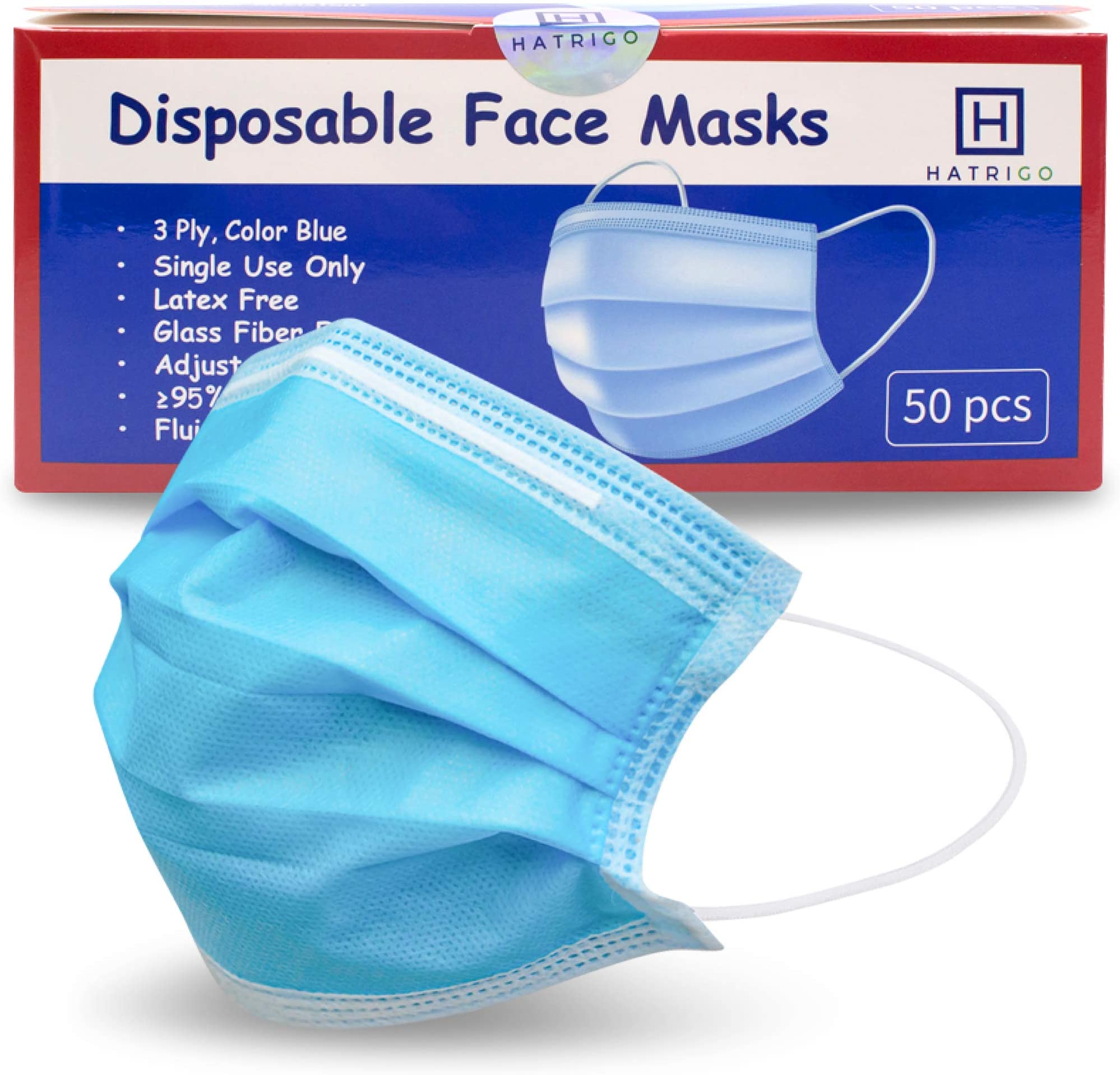
Certifications provide objective proof of performance. You should never rely on marketing claims when evaluating safety gear. Regulatory bodies test equipment under extreme conditions to ensure reliability. Understanding these standards helps you distinguish between medical, industrial, and general-use products.
Respirators protect the wearer from inhaling airborne particles. They form a tight seal around the face. The National Institute for Occupational Safety and Health (NIOSH) regulates N95 respirators in the United States. An N95 rating guarantees the material filters at least 95% of airborne particles.
KN95 and FFP2 represent Chinese and European standards, respectively. They offer similar filtration efficiency. However, tight-fitting seals remain crucial for all respirators. Air will bypass the filter if the seal breaks. Regulatory oversight ensures these products maintain structural integrity during extended use.
Medical masks primarily offer source control. They trap respiratory droplets expelled by the wearer. They also provide various degrees of inhalation protection against fluid splashes. However, they do not form a tight facial seal.
The American Society for Testing and Materials (ASTM) sets the standard for medical face gear. ASTM F2100 evaluates fluid resistance, bacterial filtration efficiency (BFE), and breathability (Delta P).
ASTM Medical Standards Comparison
ASTM Level | Fluid Resistance (mmHg) | BFE & PFE (%) | Primary Use Case |
|---|---|---|---|
Level 1 | 80 | ≥ 95% | Low risk, general clinical exams. |
Level 2 | 120 | ≥ 98% | Moderate risk, minor procedures. |
Level 3 | 160 | ≥ 98% | High risk, surgical environments. |
General purpose coverings serve minimal safety functions. The ASTM F3502 standard outlines baseline performance for these barrier coverings. They offer basic source control for the general public.
You must understand their severe limitations. They lack fluid resistance. They cannot filter hazardous industrial particulates. They are suitable only for low-risk, non-toxic environments. Do not deploy them in medical or construction settings.
Different work zones demand entirely different protective strategies. You must align your procurement strategy with the daily realities of your workers. Deploying the wrong equipment wastes money and endangers staff.
Industrial settings expose workers to heavy particulate loads. Woodworking, masonry, and metal fabrication generate dangerous dust levels. You need high particulate filtration and rugged durability.
Workers often endure intense physical exertion in these environments. Heat buildup becomes a serious issue. Exhalation valves offer excellent heat dissipation. You can safely use valved options here because sterile environments are not required. N95 or P100 filtering facepiece respirators provide the best defense for construction teams.
Hospitals and clinics require strict infection control protocols. Staff face constant exposure to bloodborne pathogens and infectious diseases. Fluid resistance acts as a critical barrier in these settings. Biocompatibility prevents skin irritation during long clinical shifts.
You cannot use valved respirators in surgical suites. Exhalation valves release unfiltered air, compromising the sterile field. You should recommend ASTM Level 3 surgical masks for surgical teams. Medical personnel treating infectious patients require non-valved surgical N95 respirators.
Cleanrooms enforce zero-tolerance policies for contamination. Pharmaceutical manufacturing and semiconductor assembly demand absolute purity. Standard equipment sheds microscopic fibers into the environment.
You must source low-linting materials. Chemical compatibility is also vital when handling reactive agents. Cleanroom-certified disposable models prevent environmental contamination. Specialized elastomeric respirators protect researchers from specific chemical fumes.
Office environments rarely present severe respiratory hazards. Your primary goals involve comfort, basic source control, and cost-efficiency. Corporate wellness policies often encourage face coverings during flu season.
Workers need lightweight options for typing and talking. ASTM Level 1 disposable products work perfectly for these low-risk areas. High-quality multi-layer cloth masks also serve as sustainable alternatives for general public spaces.
Technical specifications mean nothing if workers refuse to wear the equipment. Discomfort leads to non-compliance. Non-compliance leads to exposure. You must prioritize wearability alongside filtration data.
OSHA strictly mandates fit testing for any tight-fitting respirator. You cannot simply hand out N95s and expect immediate safety. Fit tests ensure the edges seal perfectly against the wearer’s skin.
Employers utilize two testing methods. Qualitative testing relies on the user's sense of taste or smell to detect leaks. Quantitative testing uses machines to measure particle concentrations inside the respirator. Facial hair presents a massive risk factor. Even minimal stubble breaks the seal. Improper sizing completely negates the efficacy of any N95 Protective Mask.
Engineers measure breathability using Differential Pressure (Delta P). Higher filtration often requires denser material layers. Denser materials restrict airflow. This creates a challenging trade-off between safety and comfort.
Poor breathability causes rapid user fatigue. Workers may subconsciously pull the equipment away from their faces to breathe. This behavior immediately exposes them to hazards. You must evaluate Delta P ratings carefully. Select the most breathable option capable of meeting your specific hazard requirements.
Long shifts cause severe physical discomfort. Elastic bands chafe behind the ears. Trapped moisture irritates the skin. You must implement strategies to reduce this friction. Otherwise, compliance rates will plummet.
We recommend offering multiple sizes and styles. Human faces vary drastically in shape and structure. One size never fits all. You should also evaluate skin-friendly inner layers. Hypoallergenic materials prevent contact dermatitis during grueling twelve-hour shifts.
Procurement departments face immense pressure to secure reliable supply chains. The market contains thousands of unverified vendors. You must implement strict vetting protocols to protect your workforce from fraudulent safety gear.
Counterfeit safety equipment flooded the global market in recent years. These fake products look authentic but fail standard filtration tests. You must actively verify NIOSH TC-approval numbers on official government databases. The CDC maintains a Certified Equipment List (CEL) for public search.
You should cross-reference medical claims against FDA databases. Watch out for glaring red flags in supplier literature. Be highly suspicious of marketing materials using terms like "legitimate N95" or "FDA approved" without proper documentation. Legitimate manufacturers provide transparent, easily verifiable registration numbers.
Structuring your procurement process prevents costly mistakes. You should follow a clear, actionable pathway before placing bulk orders. This approach guarantees functional alignment with your facility.
Audit current workplace hazards: Survey your facilities to identify specific particulate, fluid, or chemical threats. Document exposure levels.
Request technical data sheets: Ask suppliers for official laboratory test results. Verify breathability and fluid resistance scores.
Conduct pilot testing: Order samples for a small team. Perform actual fit tests and gather feedback on long-shift comfort.
Secure verifiable documentation: Confirm all regulatory approvals through official government portals before signing purchase agreements.
Choosing the right safety equipment demands serious attention to detail. It is always a balance of objective environmental hazards, recognized safety standards, and user compliance. You cannot maximize safety without addressing worker comfort.
We recommend always anchoring your procurement decisions in verifiable data. Rely on ASTM and NIOSH standards instead of unverified marketing claims. Prioritize real-world fit testing over baseline pricing. Cheap equipment costs more when it fails to protect your team.
You should consult your Environmental Health and Safety (EHS) officer to review your current inventory. Take action today by requesting a specialized consultation or sample pack from a verified distributor to ensure your team remains fully protected.
A: A surgical mask provides source control and fluid resistance. It fits loosely and does not filter fine airborne particulates well. An N95 respirator forms a tight facial seal. It filters at least 95% of airborne particles. You use N95s for inhalation protection against fine aerosols.
A: Usually, no. Industrial respirators often lack fluid resistance to protect against blood splashes. Many also feature exhalation valves for heat relief. These valves expel unfiltered breath. They compromise sterile fields and risk infecting vulnerable patients in clinical settings.
A: You should replace it when it becomes soiled, damp, or difficult to breathe through. Most manufacturers recommend discarding them after a single shift. Extended use degrades the electrostatic charge. Always adhere to specific manufacturer guidelines regarding usage timeframes.
A: The "P" stands for oil-proof. P-rated respirators filter both solid particulates and oil-based aerosols. The "N" in N95 stands for non-oil. You cannot use N-rated equipment in environments where oil mists or heavy lubricants are present in the air.
