
- All
- Product Name
- Product Keyword
- Product Model
- Product Summary
- Product Description
- Multi Field Search
Views: 2 Author: Site Editor Publish Time: 2026-08-15 Origin: Site


A high-quality Reusable Cotton Mask is an investment in personal hygiene and environmental sustainability. Improper care quickly degrades its essential fit and overall filtration efficiency. You might think washing your daily face covering is straightforward. Most people simply throw them into the laundry pile. However, aggressive detergents or extreme heat easily compromise delicate fabric weaves. Harsh treatments also snap elastic ear loops prematurely. Conversely, inadequate cleaning leaves behind trapped moisture and invisible bacteria. This directly undermines your daily protection. You breathe in whatever lingers on the fabric. This comprehensive guide details evidence-based maintenance protocols. We designed it to help you significantly extend the lifespan of your mask. You will learn practical steps to ensure everyday hygienic safety. We will explore both machine washing and hand washing techniques. Furthermore, you will recognize exactly when your face covering needs a full replacement. Let us dive into the best practices for fabric care. Proper routines keep you safe and comfortable all day.
Frequency: A reusable cotton mask must be washed after every daily use; establishing a multi-mask rotation is the most practical solution.
Machine vs. Hand Washing: Both are effective. Machine washing requires a mesh bag and warm/hot water, while hand washing requires a proper bleach-to-water ratio or heavy-duty soap.
Drying is Critical: Complete drying is non-negotiable to prevent mold and bacterial growth; tumble drying on high heat is optimal for sanitization.
Myth Busting: Never use microwaves, ovens, or boiling water to sanitize cotton masks—these methods destroy materials and pose severe fire risks.
Cotton fibers naturally expand and contract during washing cycles. Proper washing maintains the tight weave you need for effective barrier protection. It does this without causing excessive shrinkage. When you wash fabric too aggressively, the threads loosen over time. This microscopic damage allows airborne particles to slip through the barrier. You must protect the fabric integrity at all costs. Gentle handling preserves the original structure of the woven threads.
Next, consider the vulnerability of ear loops and adjustable toggles. Nose wires also suffer under chemical breakdown and high agitation. These components ensure a snug facial fit around your contours. If you stretch the elastic or rust the metal wire, the mask becomes useless. Unfiltered air escapes through the loose gaps at your cheeks. Gentle, standardized cleaning protects these fragile hardware pieces from premature wear.
Consistent maintenance helps you avoid frequent repurchasing. A well-maintained premium mask outlasts cheaper alternatives. You just need a solid, repeatable care routine. Invest time in learning proper washing techniques today. This simple habit saves you money over time. It guarantees reliable daily protection for you and your family. Proper care proves far more effective than buying replacements every month. By understanding how cotton reacts to water and friction, you control its lifespan. You maximize the utility of every item in your drawer.
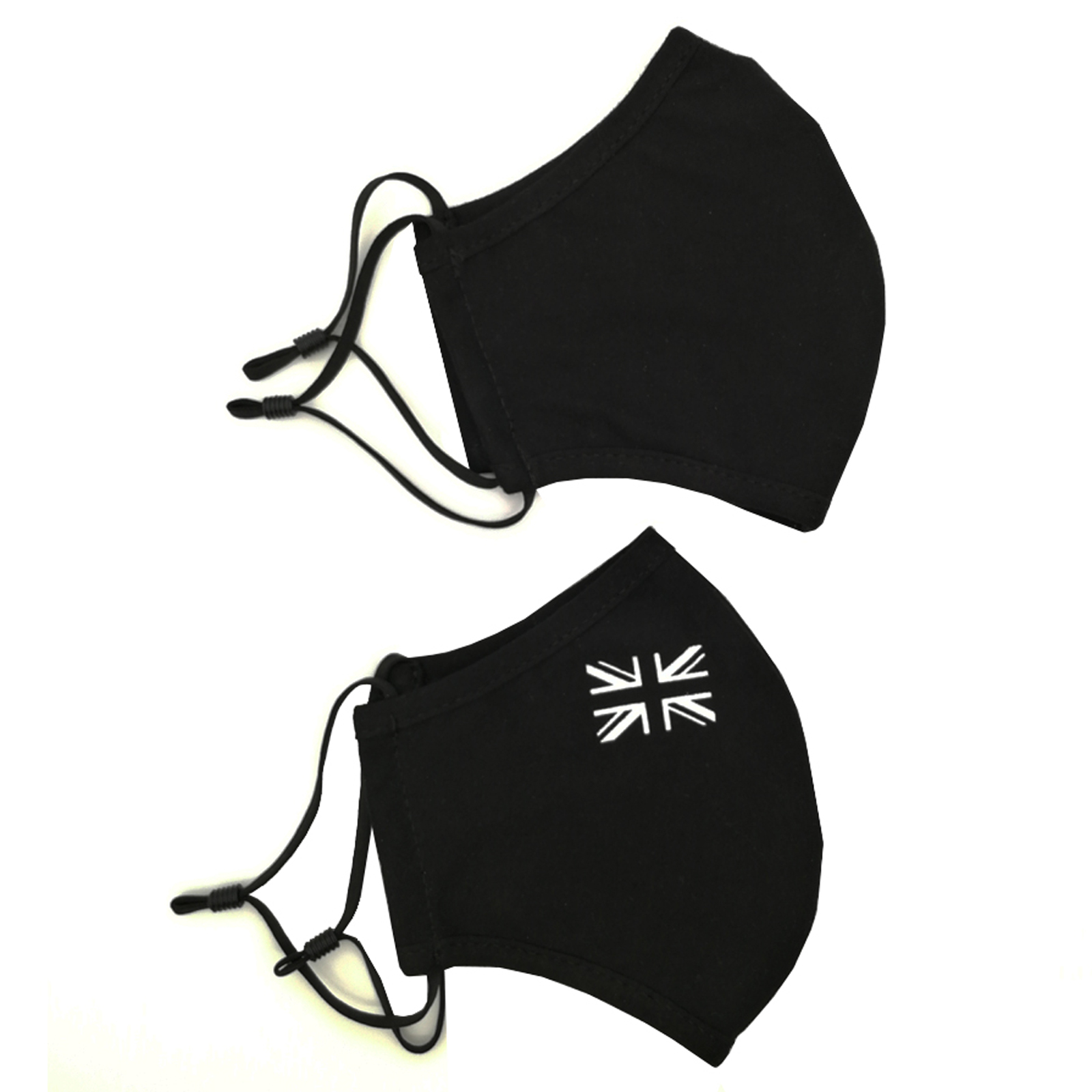
Many people prefer tossing their masks into the laundry basket. This TikTok-approved, quick-tip approach saves valuable time during busy weekdays. First, you must pre-treat any makeup or sweat stains. Use a mild enzyme cleaner directly on the soiled areas. Gently rub the cleaner into the fabric using your fingers. Next, place the Reusable Cotton Mask inside a mesh laundry bag. This physical barrier prevents sudden elastic stretching during spin cycles. It also stops nose wires from tangling around heavier garments like jeans. Tangling often ruins the structural integrity of thin fabrics.
Temperature settings play a vital role in successful sanitation. Use the regular wash cycle on your machine. Select warm or hot water for the best results. Ideally, aim for 140°F (60°C) if the fabric care label permits it. High temperatures ensure the lipid breakdowns of trapped viral particles. The heat effectively sanitizes the cotton fibers safely and thoroughly. Cold water struggles to dissolve heavy body oils or stubborn makeup.
Detergent selection requires careful consideration for facial products. Opt for a standard, unscented laundry detergent whenever possible. You should strictly avoid heavy fabric softeners and dryer sheets. Softeners leave behind a waxy, chemical residue on the threads. This residue severely reduces breathability when you wear it. It also traps future odors and moisture against your skin. Keep your cleaning agents simple and highly effective.
Setting/Category | Our Recommendation | Core Reasoning for Routine |
|---|---|---|
Water Temperature | Warm or Hot (140°F/60°C) | Breaks down lipids, removes oils, and sanitizes the fabric deeply. |
Detergent Type | Standard Liquid/Powder | Cleans thoroughly without leaving thick, irritating residue on fibers. |
Hardware Protection | Mesh Laundry Bag | Prevents tangling, tearing, and aggressive elastic stretching. |
Chemical Additives | No Fabric Softener | Maintains optimal breathability and prevents future odor traps. |
Spin Cycle | Normal or Gentle | Reduces severe friction which frays delicate edge stitching. |
Some masks feature delicate embellishments or specialized filter pockets. Hand washing provides a safer, gentler alternative for these premium designs. Always start with a dedicated, perfectly clean wash basin. You must avoid cross-contamination with kitchen sinks at all times. Kitchen sinks harbor dangerous foodborne bacteria like salmonella. If you must use a sink, thoroughly sanitize the bowl first. Wipe it down using a strong household cleaner before proceeding.
Your chosen cleaning agent determines your sanitation success. Use standard laundry detergent for everyday dirt and normal sweat. A few drops of mild dish soap also work well. Alternatively, prepare a CDC-compliant bleach solution for deep sanitation. Mix four teaspoons of standard household bleach per quart of room-temperature water. This powerful solution destroys lingering pathogens safely. It requires precision, so measure your liquids carefully.
Follow these sequential numbered steps for optimal cleaning results:
Submerge the fabric completely into the soapy water.
Soak the material undisturbed for exactly 5 minutes.
Gently agitate the fabric by rubbing it against itself.
Target stained areas using your thumbs applying light pressure.
Never aggressively wring out or twist the wet mask.
Aggressive wringing permanently warps the delicate cotton weave. It also damages structural seams and ruins the carefully tailored fit. Treat the item gently. Press water out between your palms instead.
Finally, focus intently on the rinse phase. Rinse the fabric thoroughly using cool or room-temperature tap water. You must remove all soap or bleach residue entirely. Leftover chemicals cause severe facial skin irritation and breakouts. They can also trigger respiratory discomfort when inhaled for hours. Rinse the material repeatedly until the water runs completely clear.
Drying is just as important as the washing phase. A damp environment encourages rapid mold and microbial growth. Fungi thrive in dark, wet cotton layers.
Machine drying remains the preferred and safest method. Tumble dry on the highest heat setting acceptable for your specific cotton blend. Check the manufacturer tag if you feel unsure. The high dryer heat acts as a powerful secondary sanitization layer. It kills remaining bacteria efficiently while tumbling. It also helps shrink stretched fibers back into their protective, tight weave. This restores the original snug fit around your face.
Air drying serves as a valid alternative in certain situations. Sometimes, machine drying causes too much fabric shrinkage for customized masks. If so, lay the wet material flat on a sanitized surface. Place it in direct sunlight near a window if possible. Natural UV rays offer supplementary sanitizing properties. Flip the fabric halfway through the drying process. However, you must actively avoid hang drying. Hanging by the ear loops is heavily discouraged by experts. The heavy water weight pulls downward on the material. This stretches the elastic permanently and ruins the tension.
Always verify complete dryness before wearing your gear. You must never wear a damp or slightly wet mask. Moisture physically restricts airflow through the dense cotton threads. It makes breathing unnecessarily difficult and uncomfortable. Worse, it creates an ideal breeding ground for harmful microorganisms near your mouth. Check the thickest seams and folded layers before putting it on your face.
Internet hacks often suggest dangerous cleaning shortcuts for protective gear. We must address the persistent microwave and oven sanitization myths. Never try "baking" your protective gear to save time. Many modern designs contain hidden metal nose wires inside the top seam. These thin metal pieces will spark instantly inside an active microwave. They cause catastrophic damage to your appliance. Furthermore, traditional ovens degrade natural cotton fibers in mere minutes. They pose severe, immediate fire risks in your home kitchen. Heat without moisture simply scorches the woven material.
Boiling water presents another major risk to your accessories. People wrongly assume boiling water sanitizes everything perfectly and safely. However, boiling temperatures cause extreme, irreversible shrinkage in most cotton fabrics. It instantly melts synthetic elastic ear bands into useless plastic strings. Your perfectly fitted barrier will emerge completely unwearable and distorted. Stick to standard warm water temperatures in your washing machine instead.
Chemical overkill is equally dangerous and entirely unnecessary. Do not apply harsh industrial chemicals directly to the fabric.
Avoid spraying rubbing alcohol directly onto the outer layers.
Do not soak the cotton in pure hydrogen peroxide solutions.
Never use aerosol household disinfectants or hard surface sprays.
Refrain from applying essential oils, as they degrade the fibers.
Inhaling these concentrated chemical residues poses serious respiratory hazards. They irritate your sensitive lung tissues far more than they help clean the cloth. A high-quality Reusable Cotton Mask only requires basic soap, warm water, and agitation.
Even the absolute best maintenance routine cannot prevent eventual wear and tear. You must perform regular visual degradation checks on your inventory. Hold the clean fabric up directly to a bright light source. Look closely for thinning patches in the main cotton weave. Light shining through easily indicates a broken protective barrier. Inspect the outer edges for frayed seams or loose threads. Permanent staining impeding breathability also signals the end of its useful life. Do not ignore these obvious structural warnings.
Fit failures compromise your safety entirely. The mask completely fails if the elastics lose their stretch. A loose fit allows unfiltered ambient air to bypass the fabric entirely. It defeats the core purpose of wearing the item. Additionally, check the condition of the integrated nose wire. It must hold a tight, reliable seal against your cheeks and nose bridge. If the wire snaps internally or bends poorly, discard the item. Foggy glasses often indicate a failing nose wire seal.
Establish a realistic replacement timeline for your daily rotation. A premium unit usually lasts 30 to 40 washes under ideal conditions. This lifespan depends largely on the cotton ply and initial construction quality. After this period, the material shifts from a true protective barrier to a simple face covering. Next-step action: Audit your current supply today. Rotate out any compromised units immediately. Replace them with fresh, structurally sound alternatives.
Maintaining your protective gear requires simple, consistent habits rather than expensive tools. By mastering correct washing temperatures and safe drying methods, you protect your respiratory health effectively. Remember these actionable next steps to keep your rotation in top condition:
Audit your stash weekly: Inspect seams, elastic tension, and nose wires to discard compromised units promptly.
Establish a daily rotation: Purchase enough units to allow a full wash and dry cycle between uses.
Upgrade your replacements: When retiring old gear, select options featuring pre-shrunk cotton, reinforced stitching, and durable hardware.
Standardize your laundry setup: Keep mesh bags and enzyme cleaners directly next to your hamper for frictionless prep.
A: Wash it after every single use or whenever it becomes visibly soiled or damp. Treat it like daily underwear to maintain optimal hygiene and prevent bacterial buildup.
A: Yes, provided you place it inside a mesh laundry bag. Use warm or hot water settings. Avoid mixing it with heavily soiled items like mechanic rags or chemical-soaked towels.
A: Pre-treat the soiled areas using dish soap or an enzyme-based stain remover. Let it sit for ten minutes before proceeding with your regular washing routine.
A: Yes, a hot iron provides excellent supplementary heat sanitization. However, carefully avoid ironing the elastic ear loops. Direct heat will melt or snap synthetic bands instantly.
