
- All
- Product Name
- Product Keyword
- Product Model
- Product Summary
- Product Description
- Multi Field Search
Views: 0 Author: Site Editor Publish Time: 2026-07-25 Origin: Site


Purchasing a reliable respiratory device represents only the first step in risk mitigation. Improper donning, doffing, or storage degrades structural integrity rapidly. Careless handling compromises the vital electrostatic filtration layer. It ultimately negates essential occupational compliance standards. A strict protocol for handling and storing respirators ensures maximum particulate filtration. Users extend usable product life and protect their initial investment. Proper techniques also minimize serious cross-contamination risks in hazardous environments. This comprehensive guide establishes evidence-based protocols for daily use. We will explore how to validate your respiratory seal. You will learn steps to execute safe removal safely. Finally, we implement optimal storage solutions to maintain long-term efficacy. You can ensure maximum protection by following these core principles.
A proper seal is non-negotiable; structural features like dual headbands and adjustable nose wires are critical evaluation criteria for reliable protection.
Safe removal (doffing) must exclusively utilize the straps to prevent transfer of trapped pathogens from the external filtration layers.
Breathable storage environments (like paper bags) are mandatory for short-term reuse, while long-term stockpiling requires climate-controlled conditions to prevent electrostatic degradation.
Masks have a definitive lifecycle; users must evaluate structural wear, strap elasticity, and soiling to determine safe disposal intervals.
Proper fit guarantees adequate filtration. An unsealed respirator functions merely as a simple face shield. Airborne particulates will follow the path of least resistance. They easily bypass the filter medium through tiny edge gaps. Achieving a hermetic seal requires attention to physical details. You must prepare your hands and face beforehand.
Baseline hygiene forms the foundation of respiratory safety. You must sanitize your hands before touching any filtration equipment. Use soap and warm water for twenty seconds. Alcohol-based hand sanitizer works well when soap remains unavailable. Unwashed hands transfer bacteria directly to the interior lining. These introduced contaminants remain trapped against your mouth. Breathing then pulls these pathogens directly into your lungs. Face preparation is equally crucial. Wash away heavy facial oils or makeup. These substances can degrade the silicone or foam sealing edges.
You must handle the respirator delicately. Grasp only the external perimeter edges. Avoid pinching or crushing the central cup structure. The middle section contains delicate melt-blown polymer layers. Rough handling fractures these microscopic fibers. You will permanently damage the electrostatic charge. Position the bottom edge securely under your chin. Align the top edge across the bridge of your nose.
Strap design directly impacts safety and compliance. Regulatory bodies heavily scrutinize strap tension during certification processes. The right tension distribution ensures reliable seals during active movement. Before donning a Protective Mask, you must understand your strap mechanisms.
Ear loops vs. Headbands: Ear loops offer quick convenience for low-risk environments. They often fail stringent occupational fit tests. High-compliance environments require dual headbands. Headbands distribute tension evenly across the skull. They pull the respirator firmly against facial contours.
Symmetrical placement logic: Pull the top strap over your head. Rest it high on the crown. Pull the bottom strap over next. Position it securely at the base of your neck. Never crisscross the bands. Crossed straps distort the sealing edge and create dangerous gaps.
You must perform a seal check every single time. Do not skip this mandatory verification step. A seal check differs from a professional fit test. Fit tests occur annually using specialized chemical aerosols. A seal check provides immediate daily validation.
Positive Pressure Check: Cover the outer surface gently using both hands. Exhale sharply and forcefully. The interior pressure will rise momentarily. Feel for air escaping along the edges. Adjust the nose wire if you feel drafts near your eyes.
Negative Pressure Check: Keep your hands over the outer surface. Inhale deeply and rapidly. The central fabric should collapse inward slightly. This inward collapse validates a completely sealed perimeter.
Risk Factor: Facial hair fundamentally compromises the seal. Stubble, beards, and thick mustaches lift the edge away. Tight-fitting respirators cannot seal over hair. Smooth, clean-shaven skin remains an absolute requirement for safety compliance.
Taking off a respirator incorrectly introduces severe health risks. Many users mistakenly grab the front fabric. This habit defeats the entire purpose of wearing filtration devices. You must treat the exterior as a highly hazardous surface.
The exterior surface acts as an active collection mechanism. It traps dust, viruses, and hazardous chemical droplets. Touching this surface transfers these concentrated pathogens directly onto your fingers. You might then rub your eyes or touch your mouth. This direct exposure risk requires a strict doffing procedure. We must isolate the contaminated zones from our clean hands.
Removing your respirator safely requires slow, deliberate movements. Rushing this process causes elastic bands to snap. Snapping bands fling trapped particles into the surrounding air.
Stop all forward movement and stand still in a safe zone.
Lean your upper body forward slightly. Gravity will help the unit fall away from your face.
Reach behind your neck and grasp the bottom strap.
Pull the bottom strap over your head gently. Let it hang downward.
Reach behind the crown of your head. Grasp the top strap.
Pull the top strap over your head carefully.
Hold the unit exclusively by these tension bands. Do not let the front surface touch your clothing.
Transition the unit directly into a designated storage container. Drop it into a biological waste bin if soiled. Never shove a used respirator into your pocket. Pockets crush the structure and contaminate your garments. Mandatory hand hygiene must follow removal immediately. Scrub your hands thoroughly using hot water and antibacterial soap. Treat your hands as contaminated until washed.
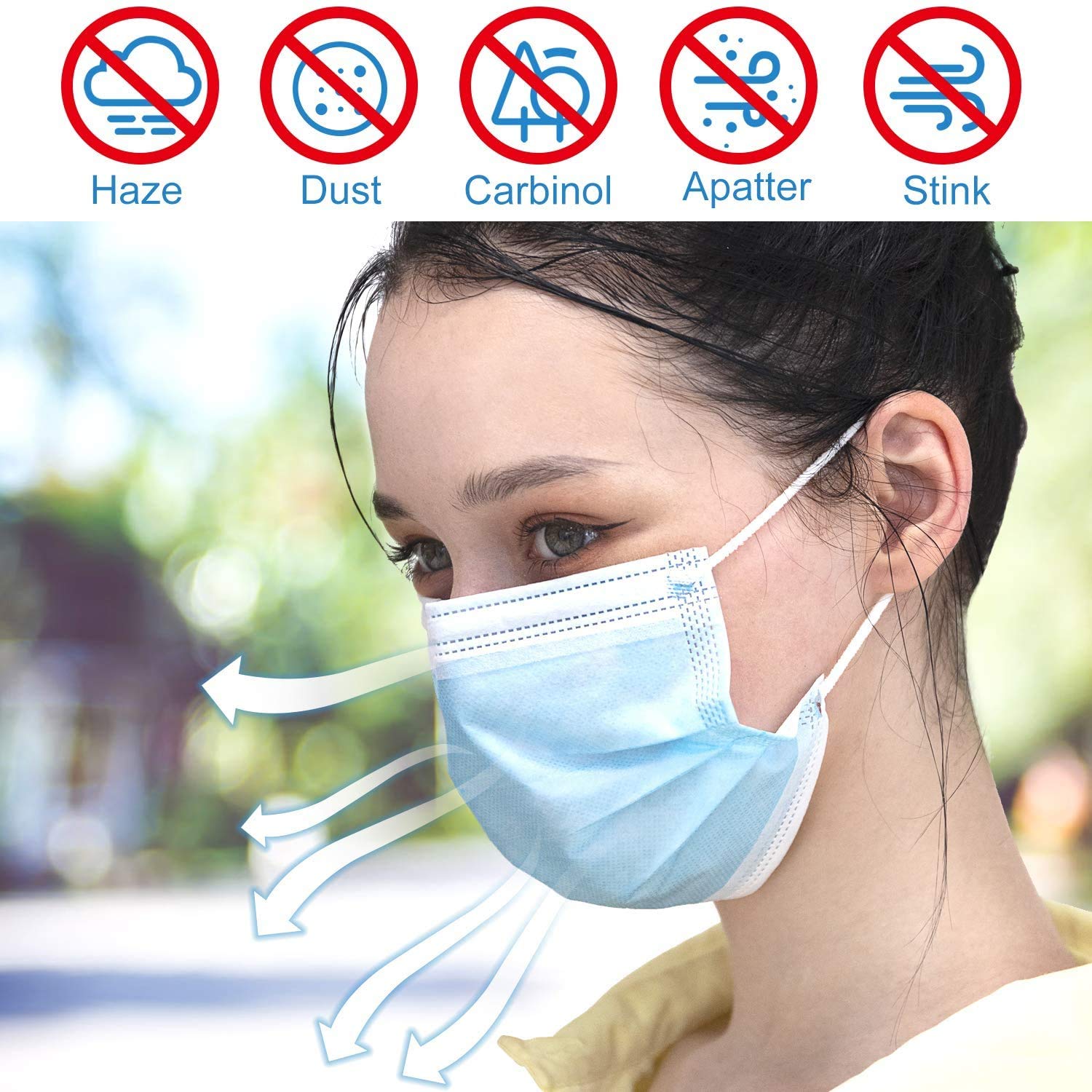
Storage environments dictate the lifespan of your filtration equipment. Incorrect storage destroys the electrostatic charge rapidly. It also fosters dangerous bacterial colonies. We must separate active daily rotation from bulk stockpiling.
Healthcare workers and industrial professionals often rotate their equipment. They might use a single unit across several days. This practice requires a highly specific resting environment.
Human breath contains significant water vapor. Extended wear saturates the interior layers heavily. Plastic bags create a disastrous storage environment. Sealed containers trap this exhalation moisture completely. Dark, warm, moist environments foster rapid bacterial growth. The moisture also degrades the sensitive melt-blown filter layer. The electrostatic charge dissipates when exposed to prolonged dampness.
You must utilize breathable paper bags. Designated mesh containers also work exceptionally well. Paper absorbs excess moisture while allowing ambient air circulation. The internal fabric can dry out completely between uses. Implement strict labeling protocols for rotational reuse. Write your name and the initial use date clearly. Write this information on the paper bag, not the respirator. Ink solvents can damage the delicate synthetic fibers.
Organizations often purchase equipment in massive bulk quantities. Storing these reserves properly ensures they remain viable for emergencies. You must protect these stockpiles from environmental degradation.
Extreme heat breaks down elastic headbands rapidly. They become brittle and snap upon first use. Ultraviolet sunlight destroys the synthetic polymers. High humidity bleeds the electrostatic charge from the filtration layers. A degraded charge reduces efficiency from ninety-five percent to below seventy percent.
Store bulk supplies strictly in their original, uncompromised packaging. Keep boxes elevated off concrete floors to prevent moisture wicking. Choose climate-controlled, dry environments for long-term storage. Ideal temperatures range between fifty and eighty degrees Fahrenheit. Keep relative humidity strictly below fifty percent.
Storage Type | Container Material | Ideal Environment | Primary Risk to Avoid |
|---|---|---|---|
Short-Term (Active) | Paper Bag or Mesh | Room temperature, well-ventilated | Trapped moisture & plastic bags |
Long-Term (Stockpile) | Original Cardboard Box | Climate-controlled, dark, dry | UV light & extreme heat |
Every piece of protective equipment has a definitive lifecycle. Users cannot rely solely on cumulative wear time. Industrial dust clogs filters much faster than office air. You must evaluate structural integrity continuously. Knowing when to discard a unit prevents dangerous exposure events.
Physical damage mandates immediate disposal. Inspect your equipment before every single use. Look for clear criteria indicating the unit is no longer viable.
Loss of strap elasticity: Stretched bands cannot maintain proper tension. Loose straps cause catastrophic seal failure during head movement.
Deformed nose wires: Metal strips fatigue over time through repeated bending. A wire failing to hold shape leaves gaps near the nose.
Frayed edges: Sonic welds can separate after rough handling. Collapsed cup structures sit too close to your mouth.
Visual contamination requires immediate action. Discard the unit when it becomes visibly soiled. Dirt and oil degrade the surface tension of the fabric. Dampness from extended respiration ruins the internal charge. You must also discard units exposed to bodily fluids. Chemical splashes compromise the synthetic polymers instantly. Never attempt to clean or salvage a heavily soiled unit.
Particulate filters work by trapping microscopic debris. The empty spaces between fibers fill up gradually. This accumulation increases inhalation resistance significantly. You will feel your lungs working harder to pull air. Treat increased breathing resistance as a mechanical indicator. It signals the filter has reached maximum capacity. Discard the unit once breathing becomes noticeably strained.
Selecting appropriate equipment dictates your baseline safety level. You must match the device to your specific risk environment. A Protective Mask varies widely in design and intended purpose. Understanding these differences prevents dangerous misapplications.
N95 and FFP2 respirators provide true two-way protection. They filter inhaled air and exhaled breath simultaneously. Occupational hazard compliance explicitly requires these tightly sealed models. They handle airborne particulate hazards and fine dust effectively.
Surgical variants serve a completely different purpose. They sit loosely against the face. They optimize strictly for outward fluid resistance. They prevent wearer-generated droplets from spreading outward. They do not protect the wearer from inhaling fine microscopic aerosols.
Feature Overview | N95 / FFP2 Respirator | Standard Surgical Model |
|---|---|---|
Fit Style | Tight-fitting perimeter seal | Loose-fitting open edges |
Primary Function | Inhalation & exhalation filtration | Fluid resistance & droplet block |
Particulate Efficacy | Filters up to 95% of fine particles | Not rated for fine aerosol hazards |
Procuring reliable inventory requires strict attention to regulatory stamps. Verify NIOSH, CE, or ASTM levels carefully. Counterfeit products flood the global market continually. Fake models lack the vital electrostatic charge. Cross-reference certification numbers against official government databases.
Evaluate unit costs against reliable durability metrics. Cheaply manufactured bands snap easily, forcing premature disposal. High fit-test pass rates justify slightly higher upfront unit prices. Authentic, durable models always provide better workplace value.
Audit your current personal or organizational inventory immediately. Look for expired models hidden in storage closets. Manufacturers print clear expiration dates on the original packaging. Discard units past their certified shelf life. Source authentic, high-filtration alternatives through verified industrial distributors.
Proper usage and storage remain just as vital as the initial purchase decision. A high-quality filtration device offers no protection if worn incorrectly. Following strict donning and doffing guidelines prevents dangerous pathogen transmission. Implementing rigorous environmental storage protocols ensures the device performs to its certified standards. Careless handling destroys the structural integrity rapidly.
You must take actionable next steps today. Review your daily storage habits and eliminate plastic bag usage immediately. Discard any structurally compromised units showing frayed edges or stretched bands. Establish a reliable procurement channel for authentic protective equipment. Your respiratory health depends entirely on consistent, disciplined protocol execution.
A: No. You cannot wash disposable respirators or surgical variants. Washing completely destroys the delicate electrostatic filter media. Soap and water dissolve the internal electrical charge required to trap microscopic particles. Only basic cloth face coverings tolerate washing. Cloth coverings do not provide regulated particulate protection.
A: Most disposable respirators carry a manufacturer expiration date of three to five years. This timeline assumes optimal storage conditions. You must store them in a climate-controlled, dry, and dark environment. High humidity, extreme heat, or sunlight exposure will degrade the synthetic polymers long before the printed expiration date.
A: It is highly unsafe to store respirators in vehicles. Car interiors experience extreme temperature fluctuations. Dashboards bake under intense ultraviolet sunlight. Rear-view mirror hanging exposes the elastic bands to direct UV degradation. These harsh conditions destroy the internal electrostatic charge and cause headbands to snap upon application.
A: No. Evidence shows these methods actively degrade the filtration medium. Liquid alcohol strips the electrostatic charge from the melt-blown polymer layer instantly. Ultraviolet light boxes damage the structural integrity of synthetic fibers over time. Both methods compromise safety and violate manufacturer guidelines.
