
- All
- Product Name
- Product Keyword
- Product Model
- Product Summary
- Product Description
- Multi Field Search
Views: 1 Author: Site Editor Publish Time: 2026-07-18 Origin: Site


Selecting the correct protective equipment carries immense operational and financial stakes for modern enterprises. Specialized environments demand precise safety standards across healthcare, industrial, and public health sectors to keep workers safe. Unfortunately, organizations often struggle to bridge the gap between empirical material science and strict regulatory compliance. You might end up over-purchasing excessive gear or severely under-protecting your workforce if standards are misunderstood. Decision-makers need clear data to align with FDA, NIOSH, and OSHA mandates effectively. We will explore a transparent, evidence-oriented framework for evaluating various options. You will learn how material composition and filtration mechanics dictate real-world safety. Ultimately, this guide helps you match application-specific compliance requirements with the right Protective Mask to ensure absolute workforce protection.
Protection Modalities: Protective masks bifurcate into two distinct categories: source control (protecting the environment) and respiratory protection (protecting the wearer).
Material Mechanics: High-level filtration relies on electrostatically charged melt-blown polypropylene, not merely fabric density.
Compliance Thresholds: Selection must align with verifiable regulatory standards (e.g., ASTM F2100 for fluids, NIOSH 42 CFR Part 84 for particulates).
Procurement Risk: Counterfeits and improper fit-testing remain the highest points of failure in organizational PPE deployment.
Clarifying the fundamental difference in mask engineering is absolutely critical. This distinction directly impacts legal compliance. It also dictates everyday workplace safety. Many organizations confuse these two categories. They deploy incorrect equipment for highly specific hazards. You must separate devices meant to protect others from devices meant to protect the wearer.
Source control devices operate as barrier masks. Engineers design them to capture expelled droplets from the wearer. They feature a loose-fitting profile intentionally. Evaluators measure their effectiveness through fluid resistance testing. They also use bacterial filtration efficiency (BFE) metrics. These masks protect the surrounding environment from your respiratory emissions. They do not form a seal. Therefore, they cannot fully protect you from inhaling ambient aerosols.
Respiratory protection devices filter inhaled air directly. We call them respirators in industrial and medical fields. They require a perfectly tight seal against your face. Evaluators measure their effectiveness via particulate filtration efficiency (PFE). They also rigorously test inhalation and exhalation resistance. These units protect the wearer from external environmental hazards. They demand strict usage protocols to function correctly.
Protection Modality Chart
Category | Primary Function | Fit Type | Key Efficacy Metric | Primary Beneficiary |
|---|---|---|---|---|
Source Control | Block expelled large droplets | Loose-fitting | BFE / Fluid Resistance | The Environment / Patients |
Respiratory Protection | Filter inhaled microscopic aerosols | Tight-sealing | PFE / Breathing Resistance | The Wearer |
You typically see these devices in clinical settings. They feature a standard pleated design. Users secure them using simple ear loops or fabric ties. They include a highly fluid-resistant outer layer. This outer shield prevents blood or bodily fluids from penetrating inward.
Evaluators rate them rigorously by ASTM standards. The primary metric focuses on fluid resistance. Ratings range from 80mm Hg to 160mm Hg. Level 1 protects against light venous pressure. Level 3 withstands high-velocity arterial spray. This rating system helps procurement teams match gear to specific surgical risks.
However, they carry distinct structural limitations. They cannot provide reliable protection against sub-micron airborne aerosols. Edge leakage occurs constantly around the cheeks and nose. This gap prevents a true seal. You should never rely on them for intense aerosol-generating procedures.
These units offer significantly higher defense mechanisms. You will find them manufactured in cup, duckbill, or bi-fold shapes. They form a tight-fitting facial seal. They utilize advanced multi-layer filtration architecture. This design targets microscopic threats effectively.
These respirators filter at least 94 to 95% of airborne particles. This metric specifically targets particles measuring 0.3 microns. We call this the most penetrating particle size (MPPS). Global regulatory standards define these thresholds carefully. The US uses NIOSH N95. China uses GB2626 for KN95. Europe relies on EN 149 for FFP2.
Implementation realities often surprise corporate buyers. True N95s typically use robust headbands. Headbands guarantee proper elastic tension and a reliable facial seal. Conversely, ear-loop models frequently fail strict occupational fit tests. The ear loops cannot generate sufficient pulling force. KN95s commonly use ear loops, making them challenging for strict OSHA compliance environments.
These represent heavy-duty, reusable protective options. They feature durable silicone or rubber facepieces. You attach replaceable filter cartridges to the main body. The P100 cartridge is a highly common choice. They offer exceptional durability for intense environments.
Their key metric exceeds standard N95 filtration easily. Some specialized cartridges filter up to 99.97% of airborne particles. This provides near-absolute protection against dust, fumes, and mists. You can swap cartridges based on chemical or particulate threats.
We recommend them for high-intensity industrial applications. They also excel during hazardous material handling. They support long-term, scalable use seamlessly. Workers simply clean the silicone body and replace the filters. This reduces physical waste significantly compared to disposable options.
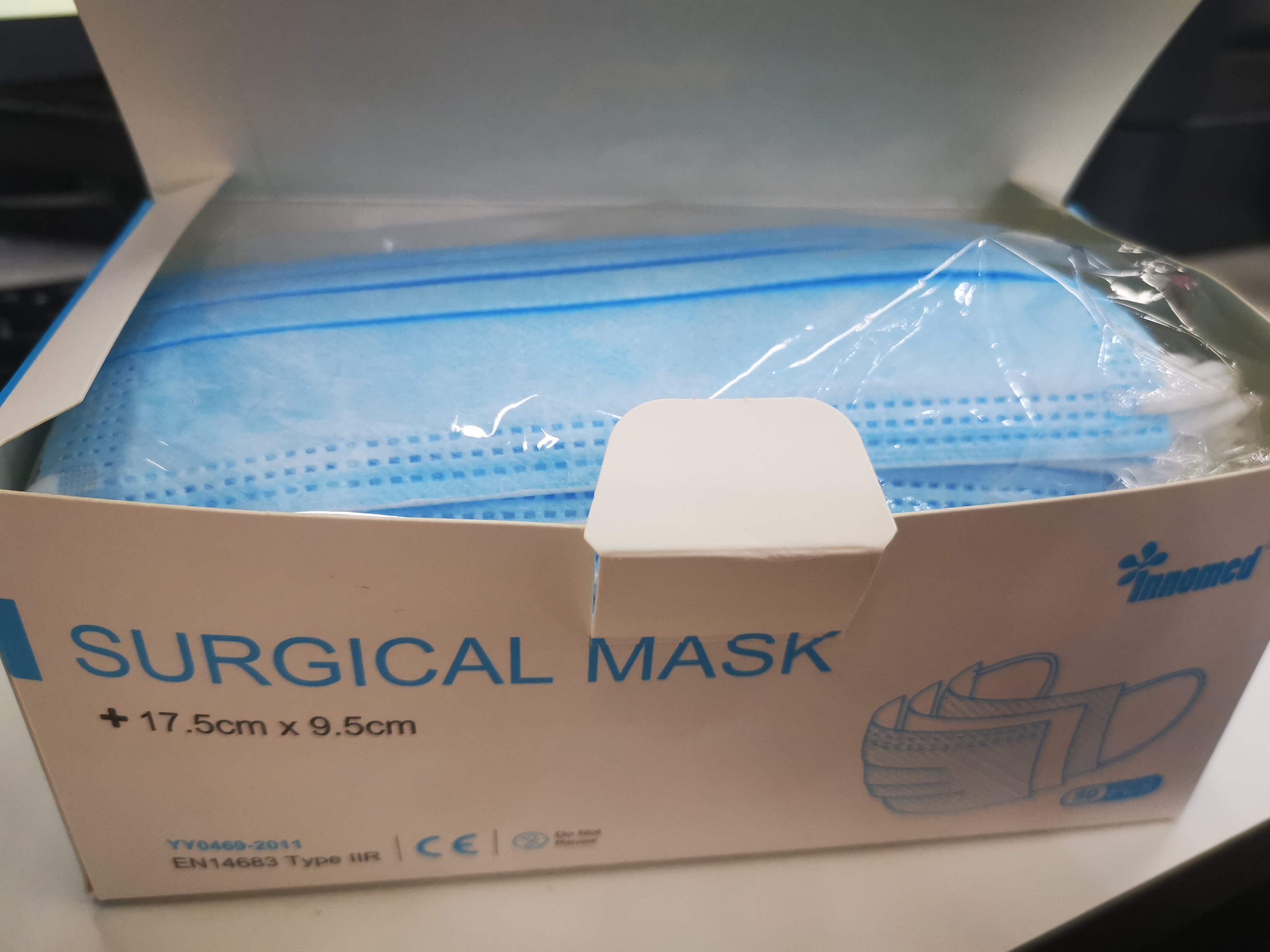
Filtration relies heavily on extruded microscopic fibers. Manufacturers melt raw plastic and blow it into a random web. These random fibers trap incoming particles effectively. This web forms the critical middle layer of high-grade respirators. It acts as an invisible maze for microscopic threats.
The manufacturing process introduces a powerful electrostatic advantage. Facilities apply a high-voltage corona discharge during extrusion. Fibers become permanently electrically charged. This charge attracts sub-micron particles like a magnet. It holds aerosols tightly against the fibers. This happens without severely restricting airflow. You can breathe easily while the electrostatic field captures the hazards.
We use spunbond fabric for the essential structural layers. It covers the inner skin-contact layer. It also forms the outer environment-facing layer. This material is highly durable and breathable. It protects the fragile melt-blown core from physical damage.
It provides incredible structural integrity under stress. The inner layer absorbs exhaled moisture efficiently. This keeps the wearer comfortable over long shifts. The outer layer offers hydrophobic fluid resistance. It repels ambient moisture and bodily fluids. This ensures the electrostatic filtration core remains dry and functional.
Some industrial respirators include specialized one-way valves. They release exhaled breath outward quickly. This drastically reduces heat and moisture buildup inside the device. Workers experience much less fatigue during heavy physical labor. Eyewear fogging also drops significantly.
However, strict compliance warnings remain actively in place. You cannot use valved respirators in sterile environments. Operating rooms strictly ban them. Strict source-control mandates also prohibit valves entirely. They vent unfiltered air directly outward. This exposes bystanders to potential pathogens. You must remove valved models from any infectious disease control strategy.
Decision-makers must match specific hardware to localized environmental risks. A mismatch creates severe safety liabilities. We utilize empirical hazard assessments to guide these choices. Below, we break down three primary deployment categories.
Core Filtration Standards Matrix
Application Sector | Primary Hazard | Required Certification | Recommended Solution |
|---|---|---|---|
Clinical / Surgical | Pathogens, High-velocity fluids | FDA Cleared, NIOSH Approved | Surgical N95 (No Valve) |
Heavy Manufacturing | Silica dust, Oil mists, Fumes | NIOSH Approved (N, R, P ratings) | Elastomeric Half-Facepiece |
Corporate / Public | General airborne particulates | ASTM F2100 Level 1 or 2 | High-quality Pleated Surgical |
Medical environments demand multifaceted protection strategies. You must prioritize fluid resistance heavily. FDA clearance remains an absolute mandate for surgical settings. The device must block both pathogens and arterial spray.
Surgical N95s are specifically required for aerosol-generating procedures. These procedures include intubation or heavy dental work. A standard N95 lacks the necessary fluid resistance. A surgical N95 combines FDA fluid standards with NIOSH particulate standards. This dual-certification protects healthcare workers comprehensively.
Industrial settings introduce mechanical and chemical threats. You must focus heavily on NIOSH certification. It handles particulate matter like silica, sawdust, and metal fumes effectively. Fluid resistance matters far less here. Breathing resistance and dust capacity take priority.
You must differentiate between specific hazard ratings. NIOSH categorizes filters into N, R, and P series. "N" means not resistant to oil. "R" indicates oil resistance for limited timeframes. "P" stands for fully oil proof. You must evaluate your specific environmental hazards. Machining environments often require P-rated filters due to cutting fluids.
Office environments require a careful balance. You must evaluate breathability alongside adequate baseline filtration. Excessive protection causes immense worker discomfort. Comfort directly drives overall compliance rates. Workers simply remove uncomfortable gear.
High-quality ASTM Level 1 or 2 masks generally suffice here. They handle non-hazardous daily operations exceptionally well. They provide excellent source control for crowded offices. They keep per-unit costs highly manageable. Reserve rigorous N95 usage for dedicated hazard zones.
Procuring a reliable Protective Mask requires strict verification of NIOSH approval. Counterfeit products flood the global market daily. They often feature convincing packaging and forged logos. You must avoid them diligently. Using fake respirators creates massive legal liability.
You can verify authenticity through rigorous cross-referencing. Locate the NIOSH TC approval numbers on the packaging. TC stands for Testing and Certification. Check these numbers directly on the official Certified Equipment List (CEL) maintained by the CDC. Genuine products always match the database exactly. Watch out for decorative add-ons or misspelled labels. These frequently indicate counterfeit origins.
Purchasing valid N95s is completely insufficient alone. OSHA compliance demands much more effort. Organizations must implement an annual respiratory protection program strictly. You must document this entire process thoroughly. Buying the hardware is only step one.
The law requires qualitative or quantitative fit testing. Qualitative testing relies on the wearer's sense of taste. Evaluators use bitter or sweet aerosols to detect leaks. Quantitative testing uses specialized machines to count particles inside the respirator. This ensures every single employee achieves a safe, personalized seal. Facial hair frequently breaks this seal. You must enforce strict grooming policies for respirator users.
You must calculate unit economics and deployment logistics carefully. Compare disposable FFRs against reusable elastomeric respirators. Long-term industrial projects often favor reusables. Disposables generate massive physical waste quickly. They fill dumpsters daily on large construction sites.
Disposables also require constant, high-volume restocking. Supply chain disruptions can halt your operations entirely. Reusables demand regular cleaning maintenance. However, they offer superior logistical scalability. You only need to stockpile small filter cartridges. Track your daily usage rates closely. This prevents critical supply shortages during peak operational demand. Optimize your storage footprint by transitioning to reusable hardware where appropriate.
Selecting reliable respiratory equipment demands analytical precision. Base final procurement decisions on empirical hazard assessments always. Never rely on perceived filtration percentages alone. You must match the device to the true environmental risk.
Follow these concrete next steps to secure your workforce:
Audit your current workplace hazards thoroughly. Identify all particulate, fluid, and oil-based threats.
Determine the necessary regulatory standards required for your industry sector. Clarify if you need OSHA, FDA, or NIOSH compliance.
Request detailed specification sheets from prospective vendors. Refuse to buy based on marketing claims alone.
Verify all compliance documentation and TC numbers before executing bulk orders. Ensure your fit-testing program is fully operational before deployment.
A: A surgical mask acts primarily as source control. It fits loosely and stops large droplets from escaping the wearer. It also resists fluid splashes. An N95 fits tightly against the face. It filters 95% of inhaled microscopic aerosols, protecting the wearer directly from airborne hazards.
A: These levels indicate strictly fluid resistance. Level 1 resists fluid penetration at 80 mm Hg (light splashes). Level 2 handles 120 mm Hg. Level 3 withstands 160 mm Hg, replicating the pressure of a high-velocity arterial blood spray during intense surgical procedures.
A: Locate the Testing and Certification (TC) number printed directly on the device or its packaging. Enter this exact TC number into the CDC's official NIOSH Certified Equipment List (CEL) online database. If it does not appear, or if the product details differ, it is counterfeit.
A: No. Exhalation valves allow unfiltered breath to escape into the surrounding environment. This design defeats source control entirely. They are strictly prohibited in sterile environments like operating rooms because they can easily contaminate sterile fields and expose patients to pathogens.
A: Headbands provide strong, consistent tension across the skull and neck. This tension is mandatory to maintain a secure, gap-free seal against the face. Ear loops cannot generate enough pulling force, causing frequent failures during strict occupational quantitative fit testing.
